

Celiac Workouts: How to Train, Eat, and Build Strength Without Burning Out
If you’ve been diagnosed with celiac disease, you already know this truth: your body does not respond to stress the same way it used to.
That includes food. That includes workouts. And especially includes high-intensity fitness trends that ignore recovery, inflammation, and nutrient absorption.
Yet most fitness advice online still treats celiac disease like a dietary inconvenience—not a full-body autoimmune condition that can impact digestion, energy, muscle recovery, and hormone balance.
At BOOTIQUE Fitness in Delray Beach, we see it differently. Our studio was built on the belief that how you train matters more than how hard you train—especially for clients managing conditions like celiac disease.
This guide covers how celiac disease affects training capacity, what effective celiac workouts look like, how to eat to support muscle growth, and why low-impact strength is often the missing link—plus thought leadership from Brian Kahn, BOOTIQUE founder and celebrity trainer.
Why Celiac Disease Changes How You Should Work Out
Celiac disease isn’t just a gluten issue—it’s an autoimmune condition that can influence the entire body. For many people, it can affect:
- Nutrient absorption (iron, B12, magnesium, and more)
- Gut integrity and systemic inflammation
- Energy availability and endurance
- Recovery speed after training
- Cortisol sensitivity and stress response
When people with celiac disease follow extreme workout programs—bootcamps, daily HIIT, or excessive cardio—they often notice:
- Persistent fatigue
- Poor muscle recovery
- Increased joint pain
- Plateaued body composition changes
- Hormonal dysregulation
This isn’t a motivation problem. It’s a programming problem—and it’s exactly why the structure of your celiac workouts matters so much.
The Biggest Mistake People Make With Celiac-Friendly Workouts
Most people assume they need to “burn more” to compensate: more sweat, more classes, more intensity. But with celiac disease, excessive intensity without structure can increase inflammation—which directly undermines muscle growth and fat loss.
“Your body doesn’t reward punishment—it rewards precision. If you’re constantly inflamed, your workouts stop working no matter how disciplined you are.”— Brian Kahn, BOOTIQUE Founder & Celebrity Trainer
The goal of effective celiac workouts is not exhaustion—it’s adaptation.
What the Best Workouts for Celiac Disease Have in Common
Research and real-world coaching experience point to a few consistent principles that tend to work best:
Low Impact
Joint-friendly movements reduce “wear and tear” stress and help you stay consistent—which is where real results come from.
Progressive Strength Training
Muscle is protective—metabolically, hormonally, and structurally. The key is a progressive plan that builds over time, not random intensity that burns you out.
Controlled Cardio
Structured conditioning can improve cardiovascular fitness and insulin sensitivity without the stress spike that comes from doing “all-out” workouts too frequently.
Recovery Built In
Rest days, volume control, hydration, sleep, and nervous system regulation are not optional—they’re part of the plan.
This is where most mainstream programs fail, and where BOOTIQUE’s approach aligns well with what many people with celiac disease actually need.
Why Strength Training Is Essential for Celiac Disease
Building and maintaining muscle supports key health outcomes that matter for long-term wellness, including:
- Blood sugar and metabolic control
- Hormone regulation
- Bone density (an important consideration for many with celiac)
- Joint stability and movement confidence
Many people with celiac disease avoid strength training because they worry it will be “too much”—especially if recovery feels slow. The problem usually isn’t strength training itself. It’s how the training is programmed: too much volume, too much intensity, and not enough structure.
The BOOTIQUE Method: Built for Smarter Bodies
BOOTIQUE classes blend low-impact conditioning with hypertrophy-focused strength training—so you can build real muscle without pounding your joints or crashing your energy.
- Low-impact StairMaster conditioning for glute + cardiovascular work
- Hypertrophy-focused strength blocks to build lean muscle
- Band-based glute + joint stabilization to reinforce mechanics
- Intentional rest intervals to avoid metabolic burnout
For many clients navigating celiac workouts, this structure makes it easier to train consistently, recover efficiently, and build a body that feels strong—without flare-ups and fatigue.
Eating for Celiac Workouts: Fueling Without Inflammation
If your gut is still healing, or if you’ve dealt with nutrient deficiencies, your nutrition strategy matters just as much as your workouts. Exercise stress + nutritional deficiency often equals stalled progress.
People with celiac disease may need to be especially mindful of:
- Protein intake and distribution throughout the day
- Micronutrient density (iron, magnesium, zinc, B vitamins)
- Digestibility and food quality
Key Nutrition Principles
- Prioritize easily digestible protein. Options like eggs, fish, poultry, and collagen-rich sources can be gentler and recovery-supportive.
- Support mineral repletion. Many people with celiac disease have histories of low iron, magnesium, or B vitamins—nutrients that directly affect energy and performance.
- Avoid ultra-processed “gluten-free” foods. Gluten-free doesn’t automatically mean gut-friendly. Focus on whole foods first.
- Time carbohydrates strategically. Pair carbs with training demands (pre/post workout) instead of grazing randomly.
“Your workouts are only as effective as your recovery—and recovery starts in the gut.”— Brian Kahn
Why Low-Impact Cardio Often Beats HIIT for Celiac Disease
HIIT can be a tool—but it shouldn’t be the default for everyone, all the time. For some people with celiac disease, frequent HIIT may contribute to:
- Cortisol spikes
- Delayed recovery
- Increased systemic inflammation
- Energy crashes that reduce consistency
Low-impact cardio—like controlled stair training—can deliver strong results with less physiological chaos. Benefits often include:
- Improved cardiovascular fitness
- Lower joint stress
- Better fat oxidation support
- A more sustainable weekly training rhythm
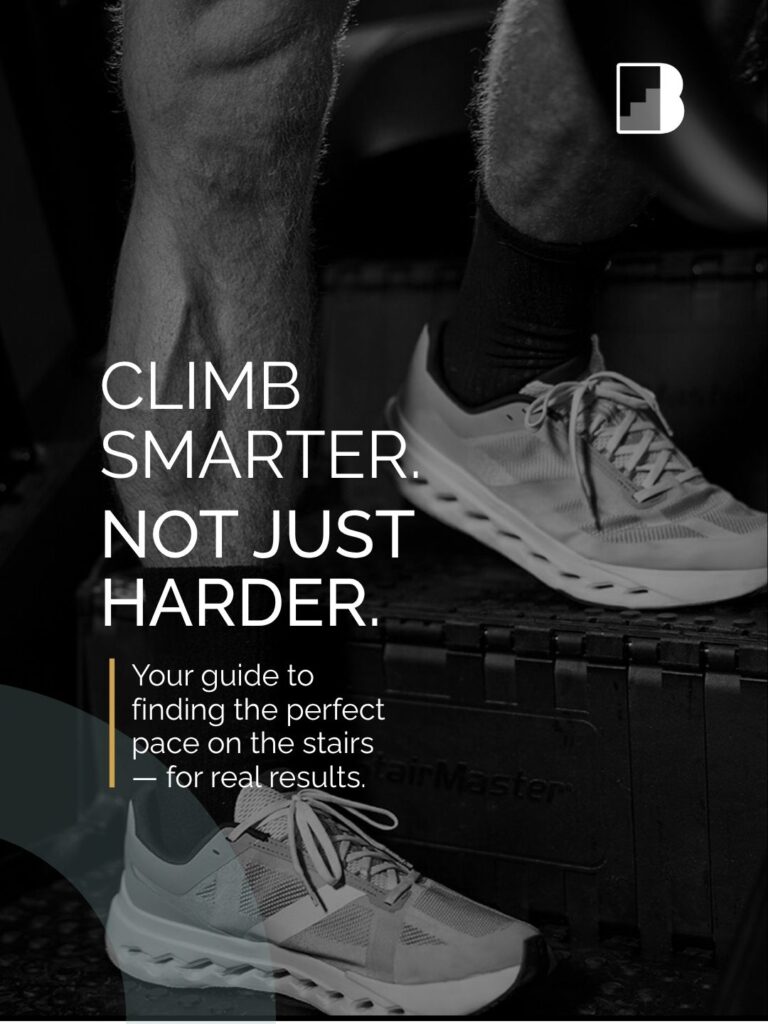
BOOTIQUE’s StairMaster-forward programming provides conditioning without the burnout factor.
Signs Your Current Workout Isn’t Working for Your Body
If you’re doing “all the right things” but feel stuck, your body might be asking for a smarter approach. Common red flags include:
- Needing multiple days to recover after each workout
- Digestive upset or bloating after intense training
- Strength plateaus despite consistency
- Poor sleep following high-intensity sessions
- Feeling wired-but-tired most days
The answer isn’t always “do more.” It’s often: train with more structure.
Training With Celiac Disease in a Group Fitness Setting
Group fitness can absolutely work for celiac disease—if the classes are programmed correctly. The best group classes are the ones that are coached, scalable, and grounded in progression—not random intensity.
BOOTIQUE classes are designed to be:
- Scalable for all levels
- Coached with form and intention
- Focused on progression over punishment
- Supportive of recovery and consistency
You don’t need to train alone to train smart—you just need a method that respects physiology.
Why BOOTIQUE Is Different
BOOTIQUE isn’t a bootcamp. It’s not a spin studio. It’s not a trend-chasing concept.
It’s a method—rooted in performance, physiology, and longevity. For clients navigating celiac disease, that difference matters, because it creates a training environment where progress is sustainable.
Final Takeaway: Celiac Workouts Should Work With Your Body
You don’t need to train less—you need to train smarter. With the right combination of strength, low-impact conditioning, recovery, and nutrition support, people with celiac disease can build muscle, improve energy, and feel confident in their bodies again.
That’s what we do at BOOTIQUE Fitness in Delray Beach.
Appendix: Scientific References & Further Reading
Note: This section is for educational purposes and to support further reading.
- Lebwohl B, et al. Celiac Disease and Systemic Inflammation. Gastroenterology. Read study
- Hallert C, et al. Nutritional Deficiencies in Treated Celiac Disease. Scandinavian Journal of Gastroenterology. PubMed
- Hackney AC. Stress Hormones and Exercise. Journal of Endocrinological Investigation. PubMed
- Phillips SM. Protein Requirements and Resistance Training. Applied Physiology, Nutrition, and Metabolism. PubMed
- Gleeson M. Exercise, Inflammation, and Immune Function. Journal of Applied Physiology. Read article